

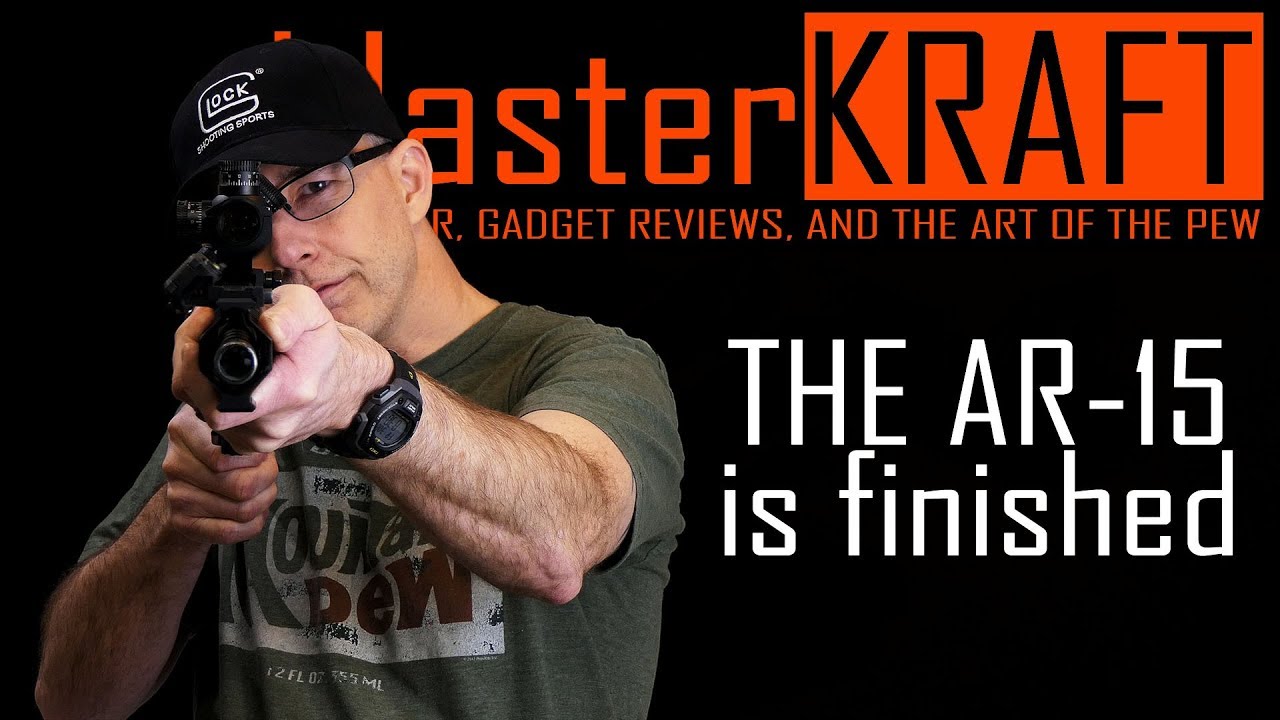
AR15 FINAL BUILD AND A LITTLE RANGE TIME
March 8, 2019
Explore the final AR-15 build and discover insights from range testing, including scope and iron sights zeroing.
Quick Look
Overview
Building an AR-15 is a thrilling journey for any firearms enthusiast. From selecting the perfect components to assembling them into a reliable rifle, each step is full of possibilities. In this article, we'll dive into the final build of an AR-15, focusing on the installation and zeroing of a Vortex Viper scope and backup iron sights.
What This Video Demonstrates
This video showcases the completed AR-15 build, highlighting not just the aesthetic elements of the firearm but also how each component works together in a practical setting. Key to this demonstration is the process of zeroing the scope for effective shooting at 100 yards and ensuring the backup iron sights are properly aligned for quick accessibility.
Step-by-Step Explanation
The process begins with the installation of the Vortex Viper scope, which has earned a reputation for its clarity and reliability. Ensuring the scope is mounted correctly eliminates many potential accuracy issues. Once the scope is securely in place, the focus turns to the Magpul backup iron sights. These are adjusted to a 45-degree offset to allow for seamless transitions between the optic and the irons. This arrangement is particularly beneficial in situations where optics may fail or when a rapid engagement is necessary.
At the range, zeroing the scope involves firing rounds to refine the windage and elevation settings, ensuring precision at the desired distance. Here, I zeroed the scope at 100 yards, which is a standard setting for many shooting scenarios. Meanwhile, the irons are set at 50 yards, providing a reliable alternative with a quicker response time for engagements under 50 yards where speed is often critical.
Key Tips
- Always ensure that your scope rings are tightly fastened to prevent any movement during shooting.
- When zeroing, take your time to adjust incrementally to achieve the best grouping.
- Familiarize yourself with the transition from optics to irons, practicing both at the range to enhance your versatility.
- Consider the distances you’ll be shooting most frequently to set your zeroing parameters effectively.
Key Takeaways
This AR-15 build isn’t just a collection of parts; it's about creating a reliable tool for self-defense, sport, or practical use. The combination of a quality scope like the Vortex Viper and a set of backup irons ensures that no matter what happens, you have options at your disposal. Whether you're just starting your firearm journey or are looking to refine your skills, understanding the ins and outs of each component is essential.
As the journey of building this AR-15 has shown, each element plays a role in not just operational efficacy, but in tailoring the firearm to the user's needs and shooting style. Whether it's for competition, personal defense, or recreational shooting, the right setup can vastly improve your experience and performance on the range.