

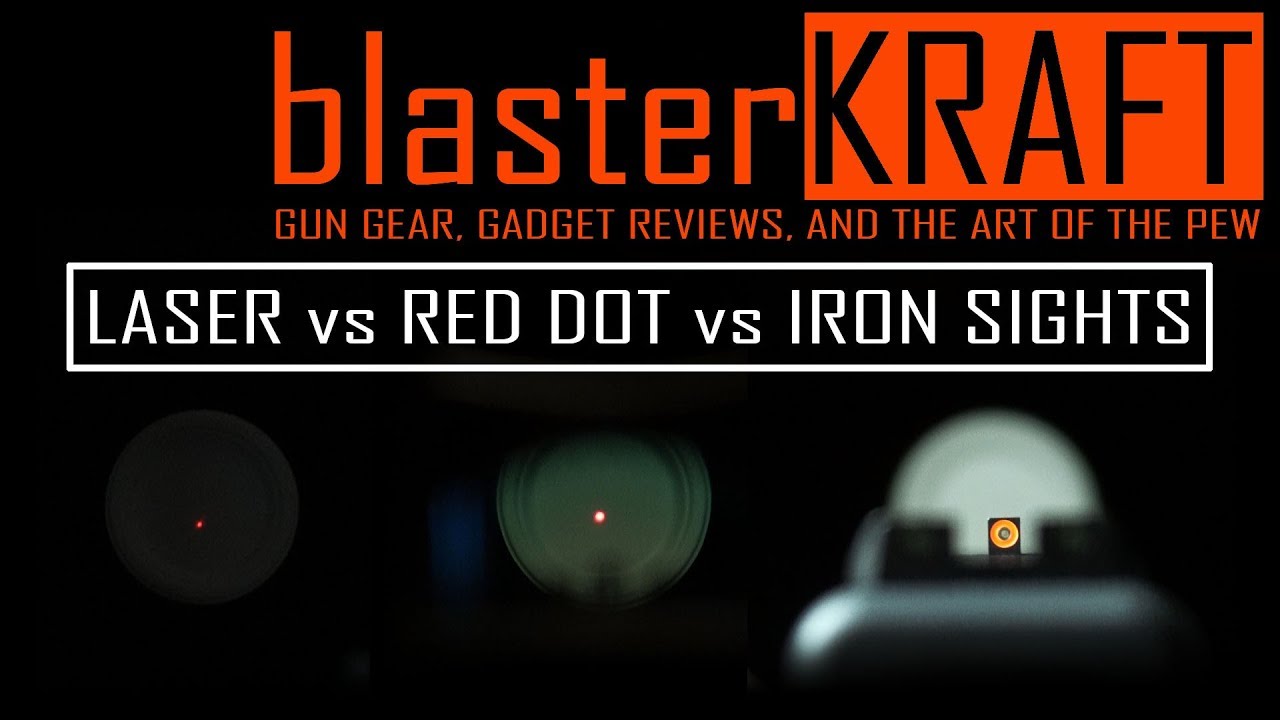
Laser vs Red Dot vs Plain Sights vs Night Sights
November 17, 2018
Explore the differences between laser sights, red dots, and iron sights with real-world demonstrations in various lighting conditions.
Quick Look
Overview
In this article, we delve into the functional differences between laser sights, red dots, and traditional iron sights, highlighting how each performs in various lighting conditions. Whether you're a seasoned shooter or new to the world of firearms, understanding these differences is crucial for making informed equipment choices.
What This Video Demonstrates
This video serves as a comprehensive test for laser sights versus red dots, as well as iron sights, showcasing their usability across multiple lighting scenarios. You'll see firsthand how each sight performs, allowing you to determine which option best suits your shooting style and needs.
Step-by-Step Explanation
The demonstration begins with a Ruger LCR equipped with a Crimson Trace laser grip and XS Big Dot sight. The speaker clarifies that lasers project a dot onto a target, allowing for quick acquisition, while red dots display an LED-enhanced reticle directly in the line of sight. Iron sights are then compared, with an emphasis on the visibility issues that can arise in different environments.
The lighting conditions tested include ambient light, general room lighting, and bright spotlighting. The results illustrate how each sight reacts to these changes. Notably, laser dots can become less effective against dark backgrounds, while red dots maintain visibility due to their LED technology and how they project the reticle.
Key Tips
- When choosing between a laser and a red dot sight, consider the expected lighting conditions you'll be operating in.
- Laser sights may require precise grip placement for activation, while red dots are often more intuitive in varying environments.
- Iron sights can provide a reliable backup but may lack visibility compared to laser or red dot options, particularly in low light.
- Regularly check and replace batteries for electronic sights to ensure optimal performance.
Key Takeaways
In conclusion, the video effectively illustrates the strengths and weaknesses of laser sights, red dots, and iron sights. Each has its place in the shooting community, and understanding their differences enables you to select the best option for your personal situation. If you're new to guns or looking to upgrade your sighting system, this information is invaluable.